Frequently Asked Questions
-
No — the fish still get the final vote.
RiverLab gives you a smart, condition-based plan built from strong fly fishing knowledge and the river data available at the time. It helps you choose likely water, suitable flies and the right tactics for the conditions.
From there, success still comes down to what’s actually happening on the river, how carefully you approach the water, how well you present the fly, whether the fish decide to eat, and how you fight the fish.
-
Rivers, conditions and the surrounding environment change, and sometimes what you see on the bank won’t perfectly match the plan.
The game plan also provides advice on when to change your approach, but you're free to adjust your strategy based on what the river is showing you.
-
Not every river has the same live data available.
RiverLab uses available live sources where possible, but some rivers have more sensors than others. Flow, temperature, rainfall and other readings may not be collected everywhere, and sensors can occasionally be offline, delayed or inaccurate.
When data is limited, RiverLab still builds the best plan it can using available river information and Wilderness Fly Fishing’s guiding knowledge.
-
That’s fishing, and it happens to everyone.
RiverLab gives you a plan based on the best available data and the on-water knowledge used by Wilderness Fly Fishing guides. But even with the right fly and the right location, little things matter: approach angle, shadow, wading noise, drift, leader setup, depth, drag, timing and how the fish are behaving on the day.
A blank session doesn’t always mean the plan was wrong. It may mean the fish were off, conditions shifted, or the presentation needed a small adjustment. The best anglers keep observing, keep adjusting, and keep covering water with purpose.
-
Absolutely! RiverLab is designed to help beginners make better decisions without needing to understand every technical detail straight away.
The app gives you a clear plan for where to fish, what flies to use, and how to approach the water. Over time, it should also help you understand why those decisions matter.
-
Yes — RiverLab can give you the plan, but you still need to make the presentation.
You don’t need to be perfect, but fly fishing rewards a careful approach, good presentation and line control, and a natural drift.
Think of RiverLab as your guide for the strategy, while your casting and presentation bring the plan to life.
-
Some locations may have limited mobile coverage, so it’s best to check RiverLab before you head to the water, then use what you see on the river to confirm or adjust the plan.
A good rhythm is to check before you leave, and whenever conditions noticeably change — wind picks up, water colours up, flow changes, or your current tactic stops making sense.
-
No — RiverLab is a planning and strategy tool, not a replacement for time on the water with an experienced guide.
A guide can watch your cast, adjust your positioning, read subtle water changes, and coach you in real time.
RiverLab helps you make better decisions when you’re fishing on your own, and it can also help you get more out of a guided session.
-
RiverLab uses available river and weather data, combined with fly fishing knowledge from Wilderness Fly Fishing.
Depending on the location, this may include flow, recent rainfall, weather, wind, temperature, water clarity indicators, season, time of day and known fish behaviour patterns.
-
Don’t wade into it.
No fish is worth a bad crossing, a dangerous wade, or pushing into water you’re not comfortable with. If the river looks too high, too fast, too dirty, or you’re unsure of the bottom, stay out and choose safer water.
RiverLab can help with planning, but you are responsible for making safe decisions on the bank.
-
Because the conditions may point more to subsurface feeding.
Trout feed underwater most of the time. If there is bright light, cold water, high flows, no rising fish, or limited insect activity on top, nymphs may give you the best chance. That said, if you see steady rises, surface insects or fish looking up, adjust accordingly.
-
Absolutely, but the quality of the plan depends on the data and river knowledge available for that location.
RiverLab is designed to apply strong fly fishing principles across many rivers, but some locations will have more detailed data and better local context than others.
Our team is always working on adding new rivers to RiverLab – we’ll announce these changes as they happen.
-
RiverLab is primarily built around river fishing and moving-water decisions… but watch this space!
Some fly selection and weather-based advice may still be useful on lakes or pondages, but tactics like seams, riffles, current lanes and tail-outs are river-specific.
-
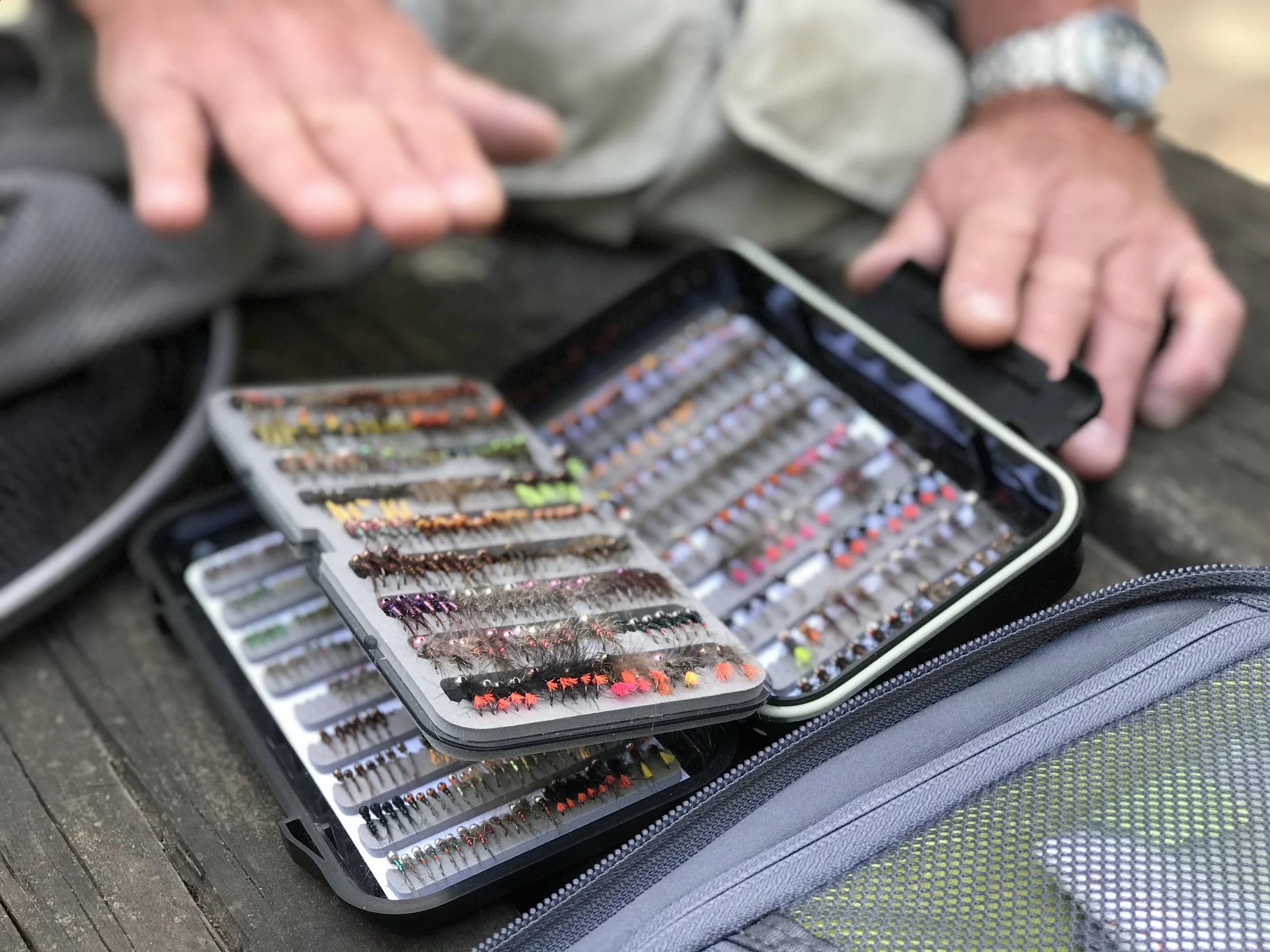
Bring the basics: rod, reel, leaders, tippet, flies, nippers, floatant, indicators or dry-dropper materials, polarised sunglasses, landing net, water, sun protection and weather-appropriate clothing.
For river fishing, safe footwear and cautious wading matter as much as the fly box.
Check the safety information for more critical items.
-
RiverLab can suggest the type of water to target and the best approach, but every pool, riffle and run is slightly different.
Use the plan to narrow your focus, then read the water in front of you. Fish close water first, stay low, move slowly, and cover each lane with purpose.
Follow us on Instagram